Cart
0


Be a part of the Community
Frequently Bought Together:




Be a part of the Community

Reducing plastic waste might feel overwhelming at first, especially with the busy rhythm of family life. But when it comes to your child’s daily routine, small, intentional changes can make a big difference. From school lunches to everyday habits at home, there are simple ways to cut down on plastic without adding stress to your day.
Start with the Lunchbox
One of the biggest sources of daily plastic waste is your child’s lunch. Single-use bags, cling film, and packaged snacks quickly add up. Switching to reusable alternatives is one of the easiest and most effective steps you can take.
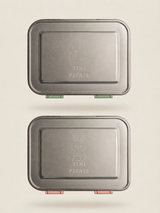
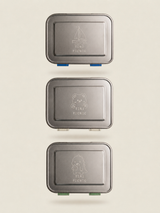
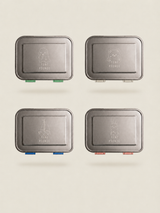
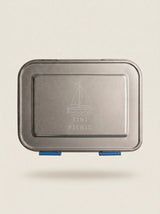
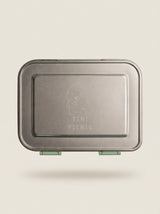
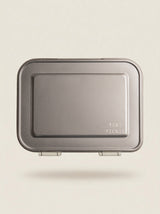
Choose a durable lunchbox made from stainless steel or other long-lasting materials. Add reusable snack containers or silicone pouches for smaller portions. This not only reduces waste but also keeps food fresher and better organized throughout the day.
Swap Disposable for Reusable
Take a closer look at the items your child uses every day. Many of them have reusable alternatives that work just as well, if not better.
Replace plastic water bottles with a refillable one. Swap out disposable cutlery for a small reusable set. Use cloth napkins instead of paper ones. These small changes are easy to maintain and quickly become part of your routine.
Rethink Snack Choices
Pre-packaged snacks are convenient, but they often come with unnecessary plastic. Preparing snacks at home is a great way to reduce waste while also giving you more control over ingredients.
Simple options like cut fruit, sandwiches, crackers, or homemade treats can be stored in reusable containers. Planning ahead, even just a little, can significantly cut down on the amount of plastic your child uses each day.
Choose Better Materials
Not all products are created equal. When possible, opt for materials that are durable, non-toxic, and designed for long-term use. Stainless steel, glass, silicone, and organic fabrics are all great alternatives to plastic.
These materials tend to last longer, are easier to clean, and don’t release harmful substances. Over time, choosing higher-quality items reduces the need for constant replacements.
Make Small Changes at Home
Your child’s routine doesn’t stop at school. At home, there are plenty of opportunities to reduce plastic use as well.
Use refillable containers for pantry staples, switch to bulk buying when possible, and avoid individually wrapped items. Even involving your child in simple tasks, like refilling a snack container or packing their lunch, can help build awareness and responsibility.
Lead by Example
Children learn most from what they see. When they notice you choosing reusable products, avoiding unnecessary packaging, and making thoughtful decisions, they’re more likely to follow along.
Explain your choices in a simple, positive way. It doesn’t have to be complicated, just helping them understand that these actions help protect the planet is enough to spark long-term habits.
Focus on Progress, Not Perfection
It’s important to remember that reducing plastic waste is a journey. You don’t need to change everything overnight. Start with the areas that feel easiest, like lunches or snacks, and build from there.
Even small improvements, repeated daily, create a meaningful impact over time. And as these habits become part of your routine, they’ll feel natural rather than like extra effort.
A Better Routine for the Future
Reducing plastic waste in your child’s daily life is about creating a healthier, more mindful routine. It benefits not only the environment but also your child’s well-being.
By making simple swaps, choosing better materials, and building awareness together, you’re setting the foundation for lifelong habits. And those everyday choices, no matter how small, can help shape a more sustainable future for the next generation.


