Cart
0


Be a part of the Community
Frequently Bought Together:







Be a part of the Community

The back-to-school season is an exciting time, fresh starts, new routines, and plenty of preparation. But it’s also a moment where families often fall into the habit of buying disposable or short-lived products. For those looking to make more conscious choices, it’s the perfect opportunity to build a school routine that’s both practical and sustainable.
Creating an eco-friendly back-to-school setup doesn’t have to be complicated. With a few thoughtful swaps, you can reduce waste, save money over time, and teach your children the value of caring for the planet.
1. Reusable Lunch Solutions
One of the easiest ways to reduce daily waste is by rethinking how you pack your child’s lunch. Instead of single-use plastic bags, cling film, or disposable containers, opt for reusable alternatives that are built to last.
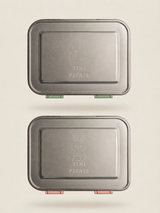
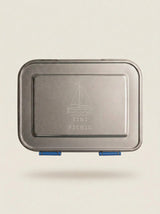
Stainless steel lunchboxes are a great choice. They’re durable, non-toxic, and keep food fresh without absorbing odors or stains. Pair them with reusable snack containers or silicone pouches to create a fully waste-free lunch system. This simple change can eliminate hundreds of single-use items over the school year.
2. Refillable Water Bottles
Plastic water bottles are one of the most common sources of waste in school bags. A high-quality, refillable water bottle made from stainless steel or glass is a much better option. It keeps drinks fresh, reduces plastic use, and encourages kids to stay hydrated throughout the day.
Look for bottles that are easy to open, leak-proof, and sized appropriately for your child’s backpack.
3. Durable Backpacks and Supplies
Fast fashion doesn’t just apply to clothing, many school supplies are designed to be replaced every year. Investing in a sturdy, well-made backpack can make a big difference. Choose neutral designs and high-quality materials that can last for multiple school years.
The same goes for supplies like pencil cases, rulers, and lunch bags. Instead of buying the cheapest option, focus on items that are built to last. Over time, this approach reduces waste and often saves money.
4. Eco-Friendly Stationery
Notebooks, pens, and paper products are school essentials, but they don’t have to come at an environmental cost. Look for notebooks made from recycled paper or sustainably sourced materials. Refillable pens and mechanical pencils are also great alternatives to disposable options.
Even small swaps—like choosing wooden or recycled pencils, can add up over the course of a school year.
5. Thoughtful Clothing Choices
Back-to-school shopping often includes updating your child’s wardrobe. Instead of buying large amounts of fast-fashion clothing, consider choosing fewer, higher-quality pieces that are comfortable and durable.
Neutral colors and timeless styles can be mixed and matched easily, reducing the need for excess clothing. You can also explore second-hand options or pass items down between siblings to extend their lifecycle.
6. Waste-Free Snack Habits
Snacks are a daily school essential, but they’re often packaged in single-use plastic. Preparing snacks at home and storing them in reusable containers is a simple way to cut down on waste.
Think sliced fruit, homemade muffins, or crackers stored in small containers. Not only is this more sustainable, but it’s also often healthier and more cost-effective.
7. Building Sustainable Habits Together
Perhaps the most important part of a sustainable back-to-school routine is involving your children in the process. Talk to them about why you’re choosing reusable products and how these small actions help protect the environment.
When kids understand the “why,” they’re more likely to take pride in their habits, whether it’s remembering their water bottle, bringing home their containers, or reducing waste in other areas of their lives.
A Fresh Start with Purpose
Back-to-school season is about more than just new supplies, it’s about setting the tone for the months ahead. By choosing sustainable essentials, you’re not only creating a healthier routine for your family but also contributing to a better future.
These small, intentional choices can have a lasting impact. And over time, they become second nature, turning everyday school routines into meaningful steps toward a more sustainable lifestyle.


